

LEVERAGING BRAND PARTNERSHIPS FOR EXPERIENTIAL IN 2026

CO-BRANDED EXPERIENCES & THE NEW GUEST EXPECTATION
Brand partnerships are now integral to high-performing experiential strategies because they compound brand value, not just create momentary buzz. The strongest collaborations are built with brands whose ethos and standards align, ensuring the partnership feels native to the customer journey while bringing fresh relevance to the same segments already drawn to the brand.
At their best, these collaborations expand the guest’s world. They introduce travelers to adjacent brands that deepen identity and lifestyle alignment, turning customers into advocates for both partners. The result is a durable exchange of equity: guests gain richer, more distinctive experiences, while brands extend reach, unlock new audiences, and grow long-term value through shared cultural credibility.
Read on to discover the best practices employed by top organizations to optimize their co-branded programming in the coming year.
BEST PRACTICES FOR EXPERIENTIAL BRAND PARTNERSHIPS IN 2026
1 POSITION BRAND PARTNERSHIPS AS A YEAR-ROUND GROWTH STRATEGY
Treat co-branded experiences as a standing pillar, not a campaign spike. Pop-ups still matter, but prioritize recurring offerings guests can anticipate and rebook.
2 USE CUSTOMER DATA & FEEDBACK TO DESIGN LIFESTYLE-LED PROGRAMMING
Treat co-branded experiences as a standing pillar, not a campaign spike. Pop-ups still matter, but prioritize recurring offerings guests can anticipate and rebook.
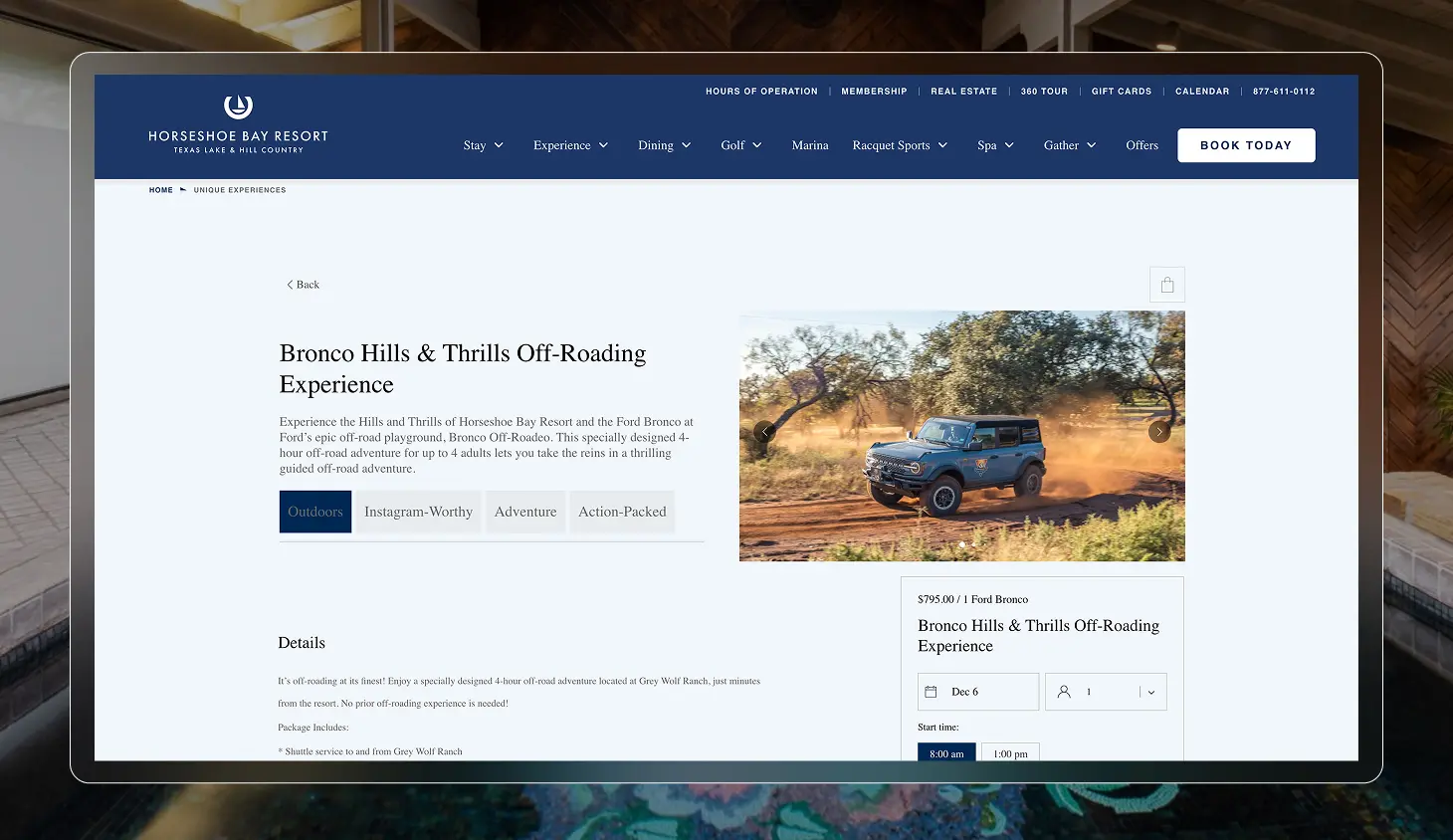
3 UTILIZE BRAND RESIDENCIES AS A SIGNATURE OFFERING
It is becoming increasingly common in the hospitality space to feature brand residencies on-site that offer exclusive, always-on experiences that enrich the guest say; for example, the iconic Swiss watchmaker Piaget’s demonstrations at Grand Hyatt Zurich.

4 PLAN COLLABORATIONS AROUND DEMAND PEAKS, IMPORTANT MOMENTS, AND SLOW PERIODS
Map brand moments, seasonality, and cultural tentpoles to capitalize on busier times and transform lulls into exciting opportunities to attend unique events and activations. Build partnerships that feel natural in those windows, then repeat what works.
5 CREATE SIGNATURE PARTNERSHIP EVENTS THAT SCALE ACROSS LOCATIONS
Design a repeatable format (culinary series, wellness weeks, craft residencies, performance camps) so one collaboration strengthens the full portfolio.
6 CREATE A BEAUTIFULLY CO-BRANDED JOURNEY ACROSS TOUCHPOINTS
The merchandising and marketing of co-branded experiences should be seamlessly woven into each brand’s customer journey, delivered through a beautifully designed interface, and promoted directly via their digital channels. This approach stands in clear contrast to the traditional model of disruptive, brand-distorting external link-outs.
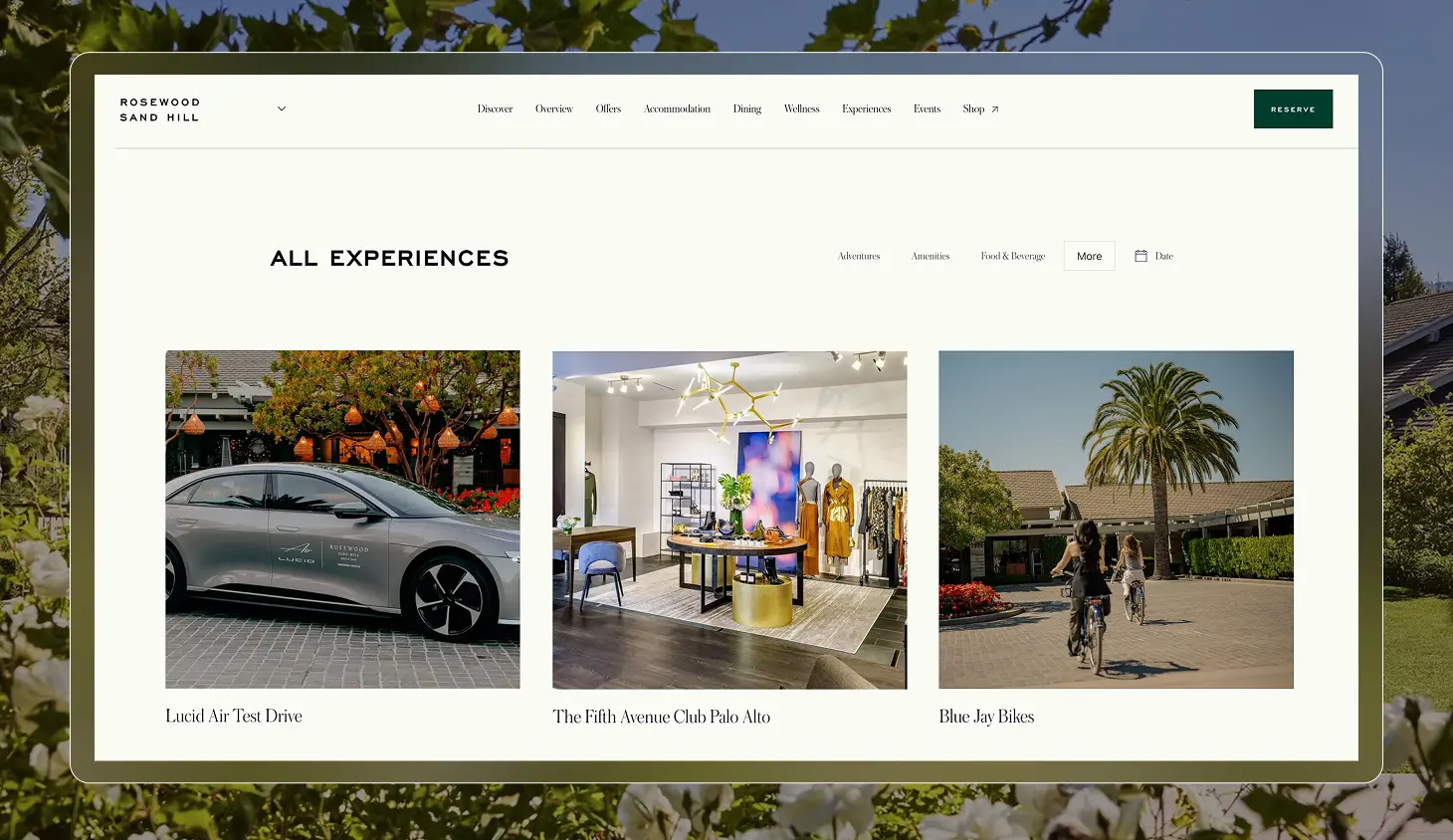
7 BUNDLE PRODUCTS WITH EXPERIENCES INTO HIGH-VALUE PACKAGES
Package access and priority booking with stay or flight inventory. This lifts conversion, length of stay, and perceived value at purchase.
8 ACTIVATE CROSS-CHANNEL PROMOTION THROUGH BOTH ECOSYSTEMS
Coordinate CRM, social, PR, and on-property storytelling with partner channels. Aim for dual-audience acquisition, not isolated awareness.
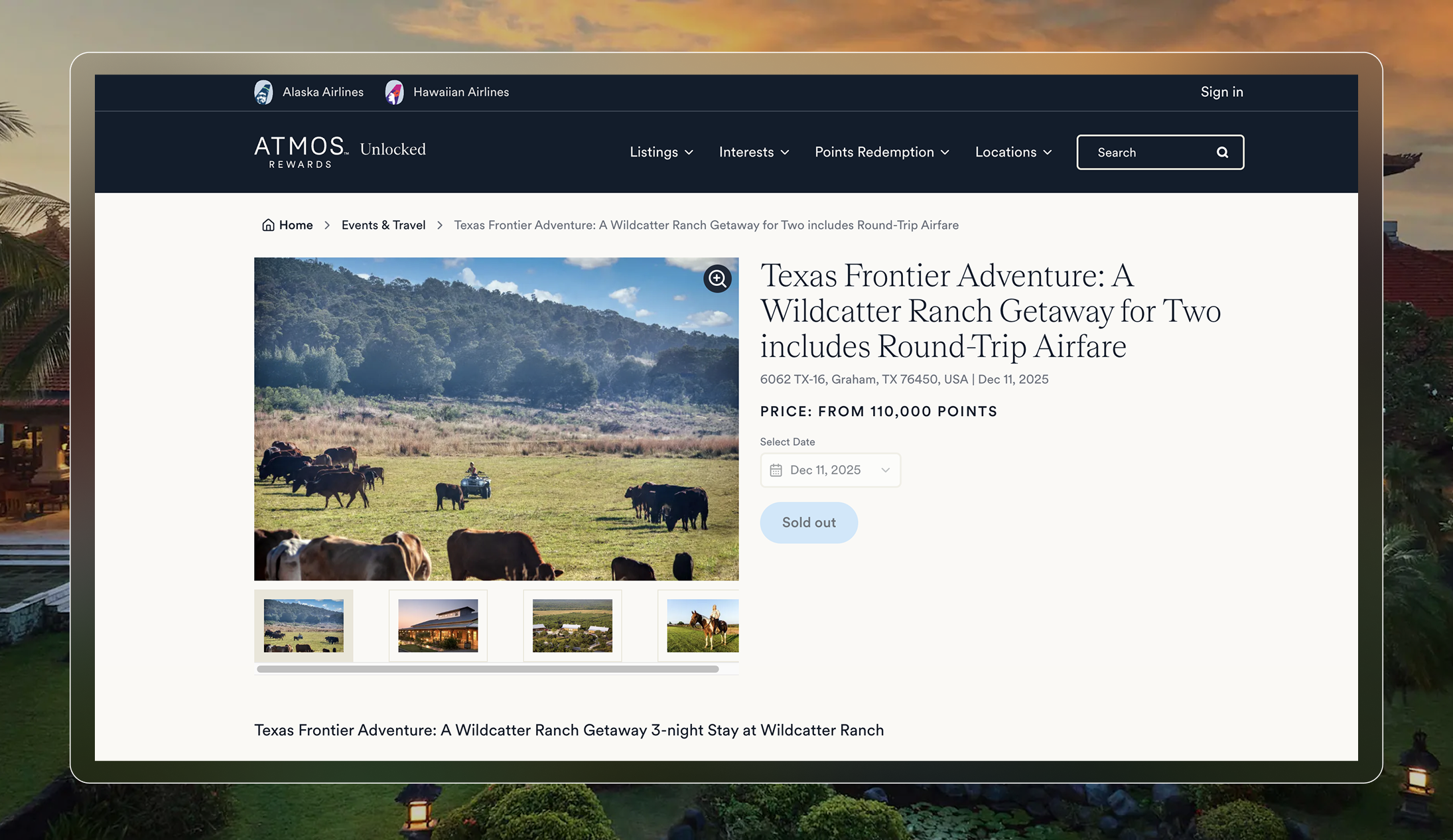
9 INTEGRATE PARTNERSHIPS INTO LOYALTY TO DRIVE RETENTION
Offer member-only access, early windows, tiered upgrades, or earn/burn mechanics tied to experiences. Make collaboration a loyalty accelerant.
Ultimately, the brands that win in this next chapter will be those that treat co-branded programming as a disciplined growth system, not a series of creative bets.
When partnerships are planned against the full year, informed by customer data, distributed through both ecosystems, packaged into purchase paths, and tied to loyalty, they become a repeatable advantage: expanding audiences, deepening share of wallet, and embedding cultural relevance into the stay. The takeaway is straightforward: experiential partnerships are no longer optional; they are an imperative for differentiation in 2026.
